Last updated: July 25, 2026
A counterfeit “Squeezy Dumplings” toy was recalled in the U.K. on June 25, 2026 after testing found benzene at four times the legal limit in its outer layer. The toys sold in Canada have not been recalled, but a Toronto Star investigation flagged similar knock-offs for chemical smells, and Health Canada has already logged complaints. If your kid has a cheap dumpling squishy that reeks of chemicals, stop the squeezing and read this first.

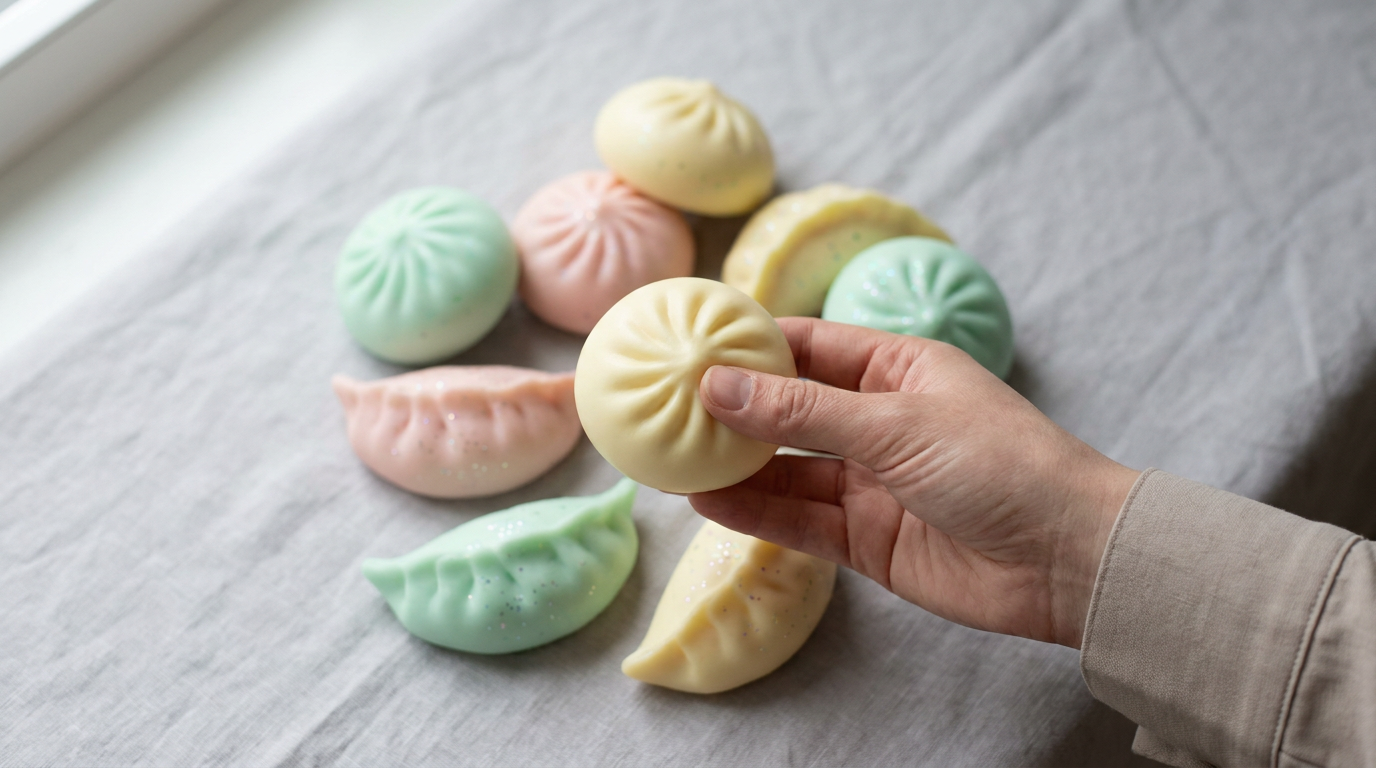
My daughter has a drawer of these things. Little squishy dumplings in every colour, traded at school like they’re currency, unboxed on YouTube by kids narrating in that breathless voice. So when the recall notice landed, my first move wasn’t to write about it. It was to go dig through her stash and start sniffing plastic like a weirdo.
That’s the honest version of parenting a viral trend. You don’t see it coming, then suddenly it’s in your house, and then someone tells you it might be leaking a carcinogen.
Here’s what’s real, what’s overblown, and what I’d actually do about it.
Quick Reference: The Squishy Dumpling Recall at a Glance
Detail What we know Product Counterfeit “Squeezy Dumplings” (fake version of the RMS International toy) Recalled where United Kingdom, by the Office for Product Safety and Standards Recall date June 25, 2026 The hazard Benzene in the outer layer, 20mg/kg vs the UK legal limit of 5mg/kg The risk Serious chemical risk; benzene is linked to cancer with prolonged exposure Canada status No recall yet. Toronto Star found VOCs in look-alikes; Health Canada has 3 reports What to do Stop use if it smells chemical, keep it from kids, buy only from trusted retailers
What Got Recalled, and Why It Matters
The toy in the recall is a fake. Not the brand-name squishy dumpling made by RMS International, a British toymaker that’s been around about 40 years. This was a knock-off sold by a distributor in Cardiff, and lab testing found its outer layer packed 20mg of benzene per kilogram. The UK caps that at 5mg/kg. So, four times over.
Benzene isn’t a “might be bad for you” chemical. It’s a known one. Inhaling it can irritate the eyes, nose and throat. Bigger exposures can burn through the digestive tract and irritate skin. Long-term, it’s tied to cancer, including a form of leukemia. That’s why regulators used the phrase “serious chemical risk” and told people to bin the toy immediately.
Now the part that stings a little: these fakes often ship with no batch number and no named manufacturer. So the official advice is basically compare your toy to a photo. Good luck, when there are forty near-identical versions on every marketplace and in every dollar store.
The Canadian Angle Nobody’s Leading With
Most of the coverage is British, so it’s easy to read this and think it’s someone else’s problem. It isn’t.
A Toronto Star investigation looked into the strong chemical smell parents were reporting from dumpling squishies bought right here in Canada. Their testing turned up several VOCs, volatile organic compounds, in similar-looking toys. Health Canada told the Star it had already received three reports about them.
Do the Canadian toys come from the same factory as the recalled British fake? Nobody has proven that yet. They look the same. That’s not the same as being the same. But “we can’t confirm it’s the identical product” is a long way from “it’s fine.”
So we’re in that grey zone Canadian parents know well. A product gets pulled somewhere else, the version on our shelves sits in limbo, and you’re left making the call yourself with half the information.
Not Every Squishy Is Poison (Let’s Be Fair)
I’m not going to pretend every squishy in the house is a tiny bomb. That’s the kind of panic post I hate reading.
Plenty of squishies are fine. For some kids they’re just fun. For others, especially neurodivergent ones, a fidget toy genuinely helps with focus and sensory regulation. My kid isn’t giving up her squishies and I’m not asking her to.
The recall is about specific products that failed safety testing. It’s counterfeits, missing labels, mystery filling, cheap dupes that pop in a week and smell like a gas station. That’s the target. Not the whole category.
The problem is trend math. A toy goes viral, demand explodes, and factories nobody’s heard of rush in to make copies fast and cheap. Quality control isn’t the priority. Getting a squeezable dumpling to a kid before the trend dies is the priority. That’s how benzene ends up in a toy that a seven-year-old sleeps with.
How to Spot a Sketchy Squishy Dumpling
You don’t need a chemistry lab. You need your nose and about thirty seconds.
The smell is the giveaway. A strong, sweet, chemical stink that doesn’t fade is the loudest warning sign there is. Real toys shouldn’t announce themselves before you open the box.
Check for missing information. No manufacturer name, no batch number, no safety markings, no age guidance. Legit toys carry that stuff because they have to.
Watch the price and the quality. If it was almost free and it popped or tore in days, that tells you something about how it was made and what went into it.
And think about where you bought it. A random online marketplace listing with a mystery seller is a different animal than a known retailer. The person quoted in the UK coverage put it well: sometimes you have to be the unpopular parent in the shop, the one who says no to the one that just doesn’t look right. I’ve been that dad. It’s worth it.
What I’m Doing in My Own House
Here’s my actual plan, not the sanitized version.
I sniffed the drawer. The ones that smell clean stay. Anything with that chemical reek goes in the trash, not the donate pile, because passing a possible problem to another kid isn’t the move.
Going forward, we buy from retailers I can hold accountable. If a squishy has a real brand and real labelling, fine. If it’s a blind-box mystery dumpling from a seller with no name, I’m out, no matter how much she wants the rare glitter one.
I’m also keeping an eye on Health Canada. If a Canadian recall lands, I want to hear it from the source, not from a comment section.
That’s it. No burning the drawer. No lecture about the evils of TikTok trends. Just a nose check and a rule about where we buy.
FAQ
Are squishy dumpling toys being recalled in Canada?
No. As of July 25, 2026, there is no Canadian recall of squishy dumpling toys. The recall was issued in the United Kingdom on June 25, 2026 for a counterfeit “Squeezy Dumplings” product. However, a Toronto Star investigation detected volatile organic compounds in similar toys sold in Canada, and Health Canada has confirmed it received complaints. Canadian parents should watch for updates from Health Canada.
Why were the squishy dumpling toys recalled?
The counterfeit toys were recalled because their outer layer contained benzene at 20mg per kilogram, which is four times the UK legal limit of 5mg per kilogram. Benzene is a chemical linked to cancer with prolonged exposure and can irritate the eyes, nose and throat when inhaled. UK regulators classified it as a serious chemical risk.
Is benzene in toys dangerous for children?
Yes, benzene exposure is a recognized health risk. Short-term, inhaling it can irritate the eyes, nose and throat, and larger exposures can cause skin irritation and burning in the digestive tract. Long-term exposure is associated with cancer, including a form of leukemia. Benzene should not be present in a children’s toy at unsafe levels.
How can I tell if my child’s squishy dumpling is unsafe?
The clearest warning sign is a strong, persistent chemical smell. Also check for missing safety information such as no manufacturer name, no batch number, and no age guidance. Very cheap toys that pop or tear within days are more likely to be poorly made counterfeits. When in doubt, stop use and keep it away from young children.
Are all squishy toys toxic now?
No. The recall and warnings apply to specific counterfeit products that failed safety testing, not to every squishy toy on the market. Many squishies are safe, and fidget toys can genuinely help some children with focus and sensory regulation. The concern is unregulated knock-offs sold with no traceable manufacturer.
What should I do if I already bought one?
If the toy has a strong chemical smell or lacks any safety labelling, stop letting your child use it and keep it out of reach. Dispose of it rather than donating or reselling it. Going forward, buy squishies from reputable retailers with clear branding and safety information, and check Health Canada for any Canadian recall notices.
The Bottom Line
A viral toy trend outran its own safety checks, a fake version got pulled overseas for a genuinely nasty chemical, and Canada is sitting in the “probably fine, but we’re watching” zone. You don’t need to panic. You need a nose check and a rule about where you shop.
Give the squishy drawer a sniff tonight. Then tell me: what’s the trend toy that snuck into your house before you knew what it was? Drop it in the comments, I want to know I’m not the only one who’s stood in a store sniffing plastic.
Sources: UK Office for Product Safety and Standards (GOV.UK product recall 2606-0196), Toronto Star investigation, Health Canada, Which?. This article is informational and not a substitute for official recall notices. Check Health Canada for current Canadian recall status.
Leave a Reply