Five Tips for the Conversation
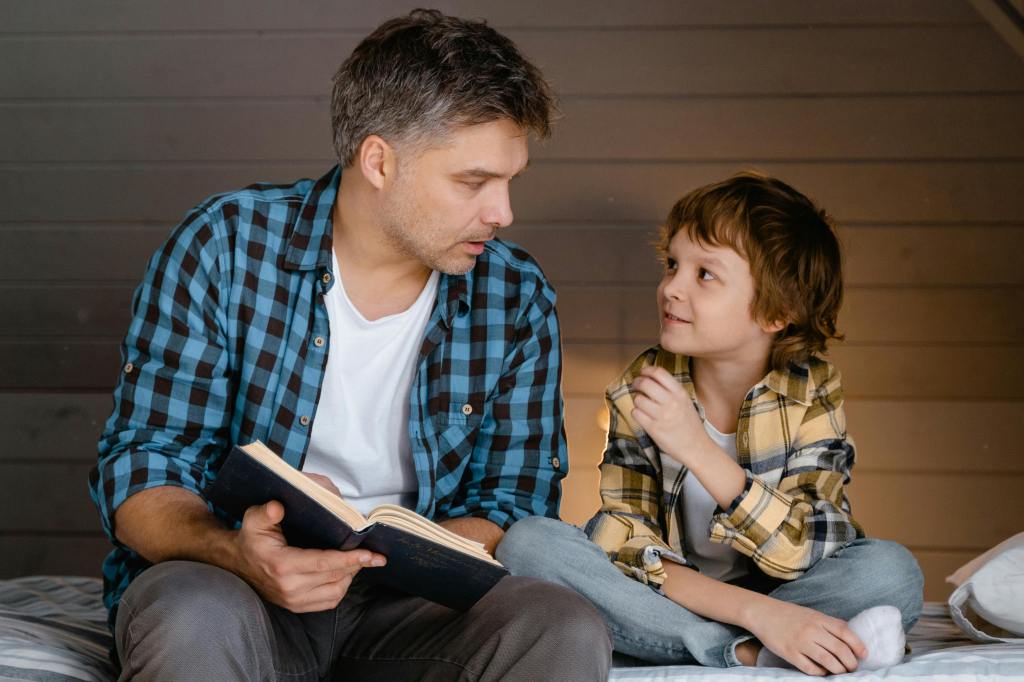
- Filter the Visuals: Keep the news off when they are in the room. The sounds of sirens and explosions are “brain-staining.”
- Ask what they’ve heard: They might have heard something scary on the playground. Start by clearing up the “fake news” first.
- Focus on Safety: Remind them that they are safe in Canada and that many adults are working very hard to bring the “neighbourhood” back to peace.
- Emphasise Human Rights: Use this to talk about why freedom of speech and the right to protest (things that have been hard for people in Iran) are so precious.
- Admit you don’t have all the answers: It’s okay to say, “I’m still learning about this too, but we can talk about it whenever you feel worried.”
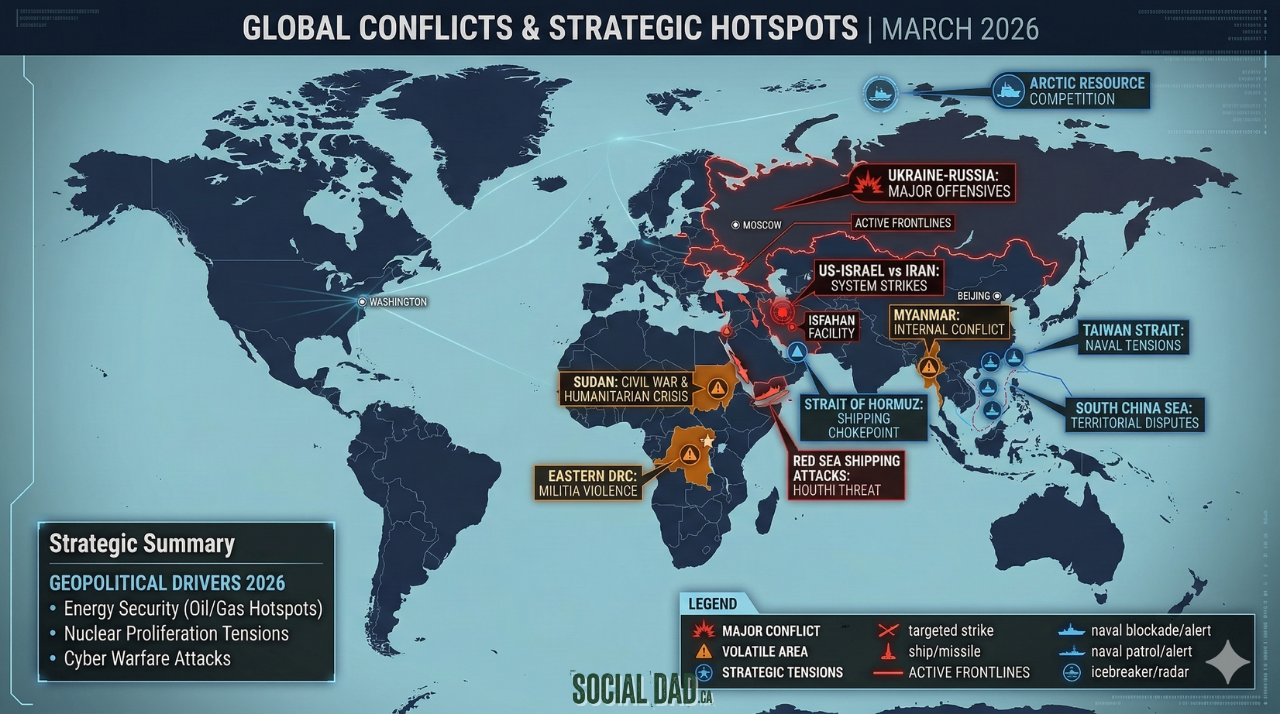
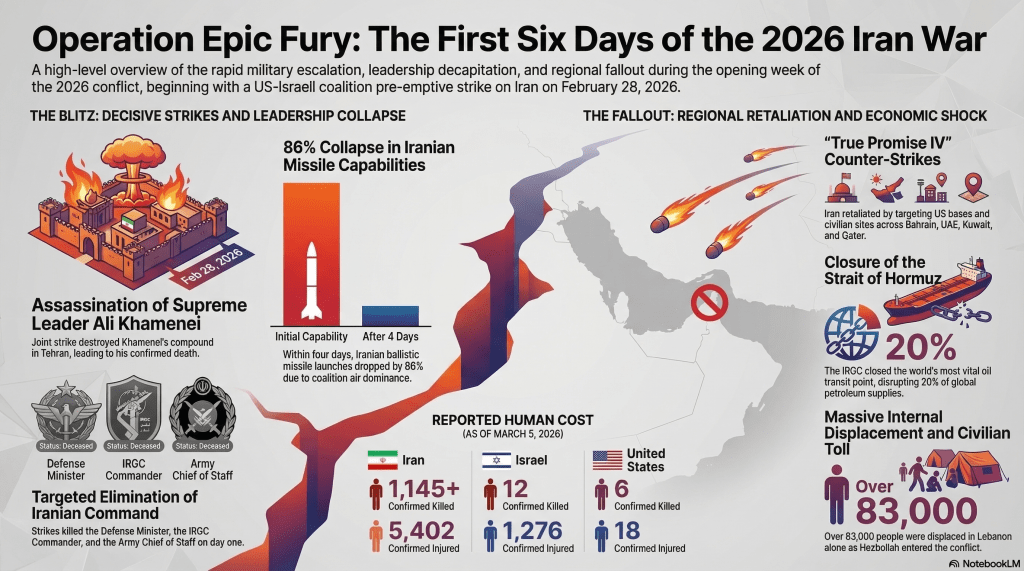
When the morning news starts throwing around phrases like “decapitation strike” and “Operation Epic Fury,” breakfast gets awkward fast. As Canadian parents, we’re watching this unfold from a distance, but our kids aren’t insulated from it. They’re picking things up at school, online, and from older siblings. Talking to kids about war isn’t something most of us feel prepared for, but avoiding the conversation doesn’t make the anxiety go away.
Here’s how to approach it in a way that’s honest, age-appropriate, and keeps your family’s values at the centre.
Start with what they already know
Before you explain the US-Iran conflict to your kids, ask what they’ve already heard. Kids absorb a lot from playgrounds and social media. Some of it will be accurate. Some won’t be. Starting here lets you clear up the scary or distorted stuff first, and build the conversation on what they actually understand.
Make it feel less distant
Iran sounds like a different universe to most kids. A neighbourhood analogy helps: countries are like houses on a street. They each have their own rules, but they share the same sidewalk and the same corner store. Right now, two of the biggest houses on the block are in a serious fight, and it’s affecting everyone nearby.
From there, you can explain why it matters closer to home. The shipping routes that move food and goods around the world run through that region. When major conflicts happen there, prices shift, travel gets complicated, and the world becomes less predictable for everyone, including us here in Canada.
Resist the urge to pick a “team”
This one’s hard, especially when you have strong feelings yourself. But raising empathetic kids means teaching them that geopolitics rarely breaks down into clean heroes and villains.
A more honest framing: there are people in both countries who want peace, and there are leaders in both countries who chose conflict. The Iranian government is not the Iranian people. Millions of Iranians, especially younger generations and women, have been protesting for their own freedom for years. Naming that teaches your kids to separate a government’s choices from the humanity of the people living under it. That’s a lesson worth carrying well beyond this news cycle.
The “how can one person decide this?” question
Older kids will want to know how a president can launch military strikes without a vote. It’s a fair question, and answering it honestly is one of the better civics conversations you’ll have.
The short answer: under U.S. law, the president has authority as Commander-in-Chief to respond quickly to situations deemed an immediate threat, with a 60-day window before formal Congressional approval is required. Many people across the political spectrum think that’s too much power in one office. That’s worth sharing.
The bigger point: this is exactly why elections matter. Every vote is a decision about who gets that authority. That’s not abstract, it’s real, and kids old enough to ask the question are old enough to understand the answer.
Helping kids with war anxiety
Children and current events are a tricky combination. Turn off the news when they’re in the room. Sirens and explosion footage don’t add context; they add anxiety, and that imagery sticks.
Be honest about your own uncertainty. Saying “I don’t have all the answers, but we can talk about it whenever you’re worried” isn’t a failure. It’s modeling the kind of intellectual honesty you want them to carry into adulthood.
And anchor them in safety. Canada is not in the conflict zone. Remind them clearly. Remind them that diplomats, journalists, and ordinary citizens in many countries are actively working toward de-escalation. Children dealing with news-related stress need both honest information and a stable foundation, and you can provide both.
Why this conversation matters for progressive parents
The goal isn’t a perfect political analysis at the kitchen table. It’s showing your kids that hard things can be talked about openly, that complexity isn’t something to dodge, and that empathy doesn’t require knowing every detail of a situation.
You don’t need all the answers. You just need to show up for the conversation.


 Socialdad.ca
Leave a comment