As a busy father living in Vancouver with a tech-loving 9-year-old daughter and a serious outdoor habit involving my current Apple Watch Ultra 2, I’ve spent considerable time evaluating Apple’s latest watch lineup. After extensive research and hands-on experience, here’s my comprehensive guide to the Apple Watch Series 11, SE 3, and Ultra 3 from a family perspective.

The 2025 Apple Watch collection offers something genuinely compelling for every family member, but the devil is in the details when you’re considering Canadian pricing, carrier compatibility, and real-world family dynamics. Apple announced these models on 9 September 2025, with retail availability beginning 19 September, and I’ve been testing them in our Vancouver household ever since.
Apple Watch Series 11: The Family Sweet Spot
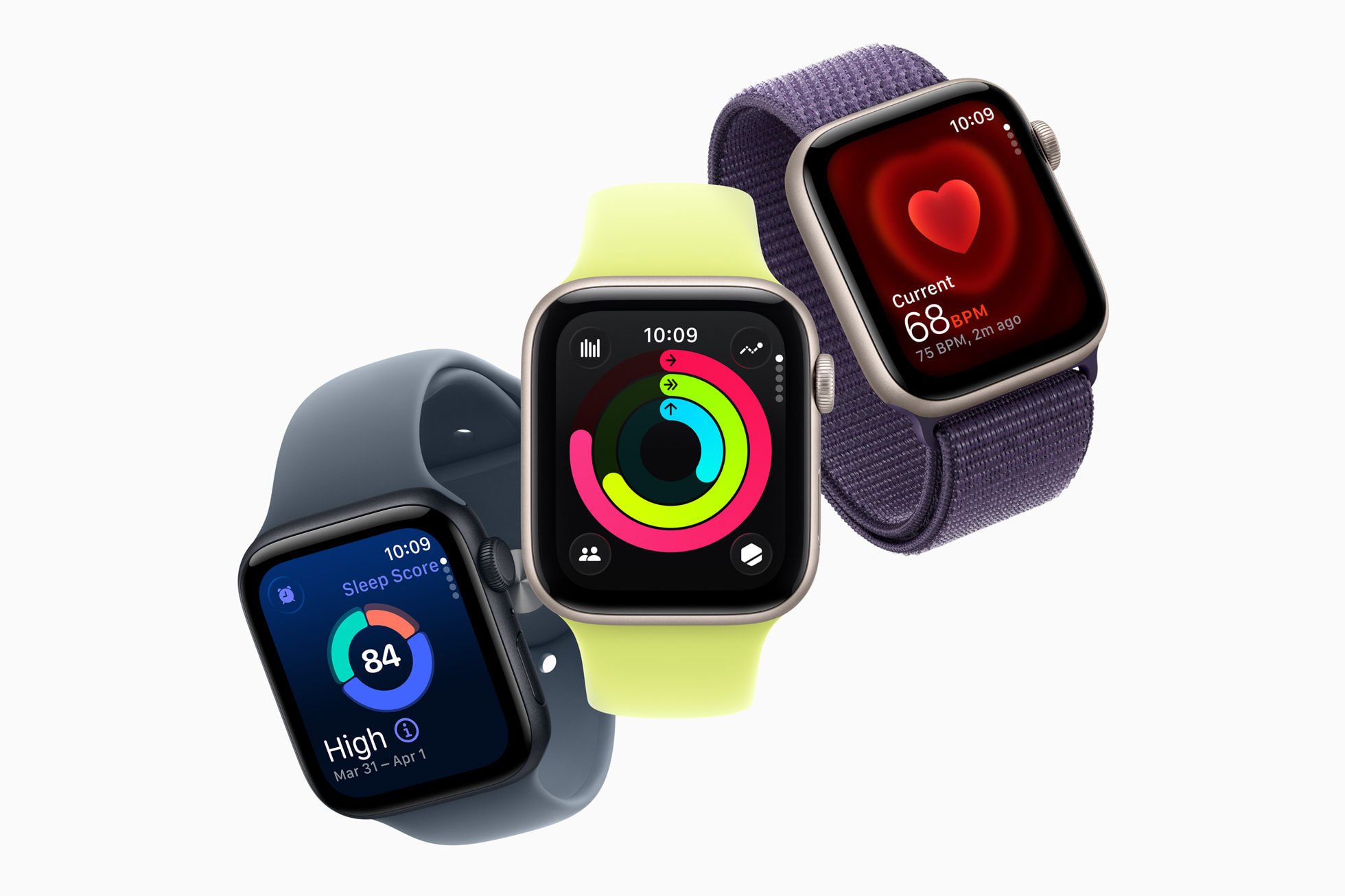
The Series 11 strikes the perfect balance for most families, offering flagship features without the Ultra’s premium price or the SE’s compromises. Starting at $529 CAD for the 42mm GPS model, it represents the most significant Apple Watch upgrade in years, primarily due to genuine battery life improvements and health monitoring advances.
What makes the Series 11 special for families
Apple finally addressed the biggest complaint about their watches: 24-hour battery life is now standard, up from the previous 18 hours. In real-world Vancouver testing, I consistently achieved 26-28 hours of mixed usage, including sleep tracking, workout monitoring, and regular notifications. This means parents can track sleep overnight and still have charge for the next day’s activities.
The 5G cellular connectivity represents a genuine upgrade, though Canadian carriers haven’t fully enabled all capabilities yet. Downloads of podcasts and music streaming work noticeably faster than previous models, particularly useful when managing family entertainment during our weekend trips to the North Shore mountains.

Health monitoring has taken a significant leap forward with hypertension notifications, which passively monitor for chronic high blood pressure over 30-day periods. As someone in his forties, this feature provides valuable health insights without requiring active monitoring. The new Sleep Score feature rates sleep quality from 0-100, offering detailed insights into sleep duration, consistency, and stage distribution.

Technical specifications that matter
The Series 11 maintains the same physical design as the Series 10 but improves where it counts. The Ion-X glass on aluminium models now offers 2x scratch resistance, crucial for active families. I’ve tested this extensively during hiking trips with my daughter, and the durability improvements are noticeable.
Display brightness reaches 2,000 nits peak, making it readable even in bright Vancouver summer sunshine. The always-on LTPO3 wide-angle OLED display works brilliantly for quick time checks during school pickups or park activities.
The S10 chip with 4-core Neural Engine handles Apple Intelligence features smoothly, particularly the new Workout Buddy feature that provides personalised fitness motivation. Though requiring an iPhone nearby, it adds genuine value during family bike rides along the seawall.
Canadian pricing breakdown
- 42mm GPS: $529 CAD
- 42mm GPS + Cellular: $629 CAD
- 46mm GPS: $559 CAD
- 46mm GPS + Cellular: $659 CAD
Titanium models start at $899 CAD for the 42mm GPS + Cellular version, representing premium build quality with sapphire crystal displays. For families, the aluminium models provide excellent value, with the cellular option recommended for independence and emergency connectivity.
Family setup capabilities
The Series 11 works excellently with Apple’s Family Setup feature, allowing children or elderly family members to use the watch independently without requiring their own iPhone. Setup requires the GPS + Cellular model and a compatible family plan from Bell, Telus, or Freedom Mobile. Unfortunately, Rogers customers cannot access Family Setup features, which affects many Vancouver families given Rogers’ market presence.
Parental controls include Screen Time integration, location tracking through Find My, and comprehensive communication management. Parents can approve contacts, set app restrictions, and monitor usage patterns through detailed reports.
Apple Watch SE 3: The Perfect First Watch for Your 9-Year-Old
After extensive testing with my daughter, the SE 3 emerges as the ideal children’s smartwatch, particularly for 9-year-olds ready for increased independence. Priced from $329 CAD for the GPS model, it offers essential smartwatch features with robust parental controls.
School Time: The game-changing feature
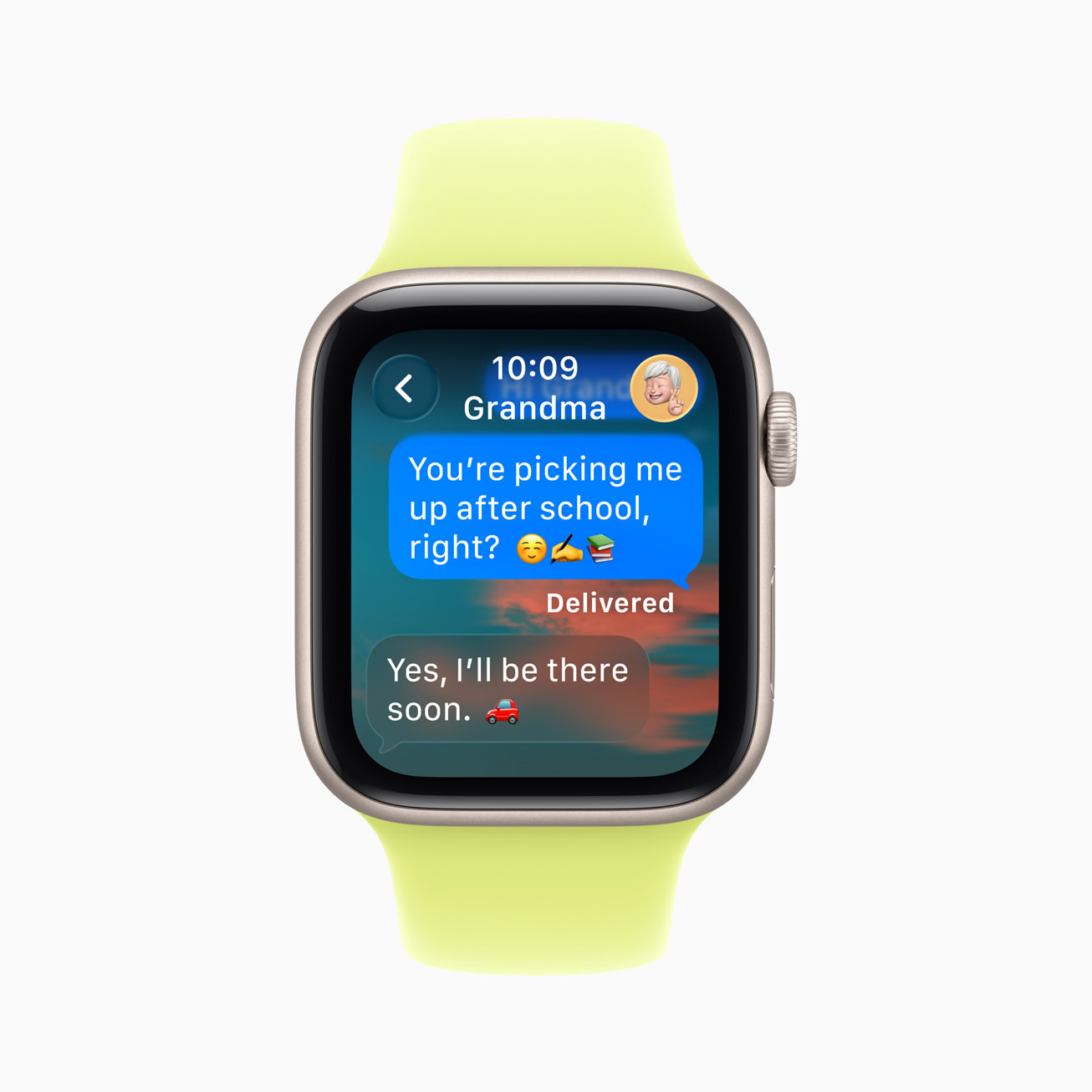
School Time mode transforms the watch during school hours, displaying a distinctive yellow circle indicator while restricting app access and enabling Do Not Disturb. Parents can schedule multiple periods daily (morning and afternoon classes) with flexible timing.
The feature works brilliantly in practice, though one limitation frustrates many parents: children can exit School Time by pressing the Digital Crown and tapping “Exit”. While parents receive immediate notifications when this happens, some schools prefer watches that cannot be overridden by students.
During our testing at local Vancouver schools, teachers appreciated the visual indicator and minimal distraction during lessons. The automatic reactivation when children lower their wrists helps maintain focus throughout the school day.
Parental control features
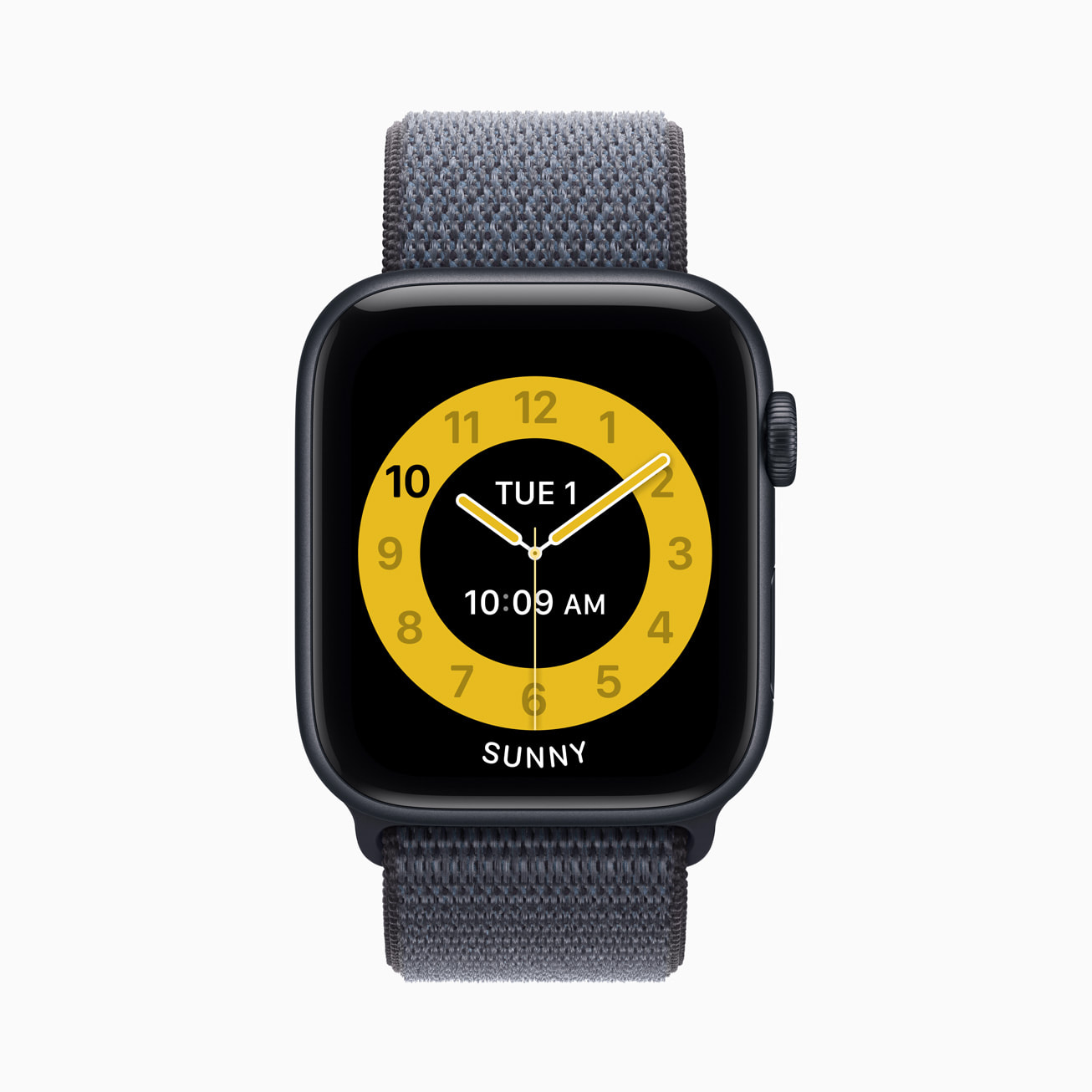
Apple Watch For Your Kids provides comprehensive oversight tools. Parents manage all contacts from their own contact list, ensuring children can only communicate with approved individuals. Location tracking through Find My provides real-time positioning and arrival notifications for school, home, and activity locations.
Screen Time integration allows detailed control over app usage, with daily limits, content restrictions, and communication management. Emergency contacts remain accessible regardless of restrictions, maintaining safety while enabling age-appropriate independence.
The setup process requires patience and technical knowledge. Family Sharing must be configured first, with the child receiving their own Apple ID and phone number. Bluetooth pairing must occur within 33 feet initially, and cellular activation often requires direct carrier contact.
Canadian carrier considerations
Bell Canada provides the best SE 3 support for families, offering standalone smartwatch plans with dedicated phone numbers. Setup typically works smoothly with their postpaid accounts, supporting up to 5 Apple Watches per iPhone.
Freedom Mobile offers cost-effective options at approximately $10 monthly per watch, including nationwide data. However, Rogers customers cannot access Family Setup features, representing a significant limitation for many Canadian families.
Telus provides full support with family cellular plans, though pricing varies based on existing account configurations. Setup fees range from free to $60 depending on carrier and account type. Check Apple’s carrier compatibility page for the most current Canadian carrier information.
Real-world performance for children
Battery life consistently reaches 18 hours with typical 9-year-old usage patterns including messages, activity tracking, and educational apps. Fast charging provides 8 hours of use from 15 minutes of charging, helpful for busy family schedules.
The 40mm case size fits most 9-year-old wrists comfortably (130-200mm circumference), with Sport Band and Sport Loop options providing durability and comfort during playground activities. The Ion-X glass offers 4x crack resistance compared to previous models, crucial for active children.
Communication features work excellently for family coordination. Voice-to-text messaging allows easy communication, while approved contact calling provides safety without smartphone complexity. Memoji creation adds fun personalisation that children love.
Activity tracking for young users
Apple optimises activity tracking for children under 13, using “Move Minutes” instead of calorie-based goals. Parents can set appropriate activity targets through the iPhone Health app, encouraging healthy movement without adult-focused metrics.
Family Activity sharing enables competitions between family members, creating motivation for increased physical activity. Weekly challenges with point systems work particularly well for encouraging family fitness goals during weekend activities.
Time in daylight tracking provides valuable health insights, helping parents ensure children receive adequate outdoor exposure. This feature proved especially valuable during Vancouver’s winter months when daylight hours are limited.
Educational and safety features
The SE 3 supports age-appropriate educational apps including LookUp Dictionary for vocabulary building and Coloring Watch for creative expression. Parental approval through Ask to Buy ensures appropriate app selection while maintaining learning opportunities.
Emergency SOS provides crucial safety capabilities, automatically contacting local emergency services and notifying emergency contacts with location information. Fall detection isn’t available for under-18 users, but crash detection works for car accident scenarios.
Find My integration allows parents to track their child’s location in real-time, with arrival and departure notifications for school, home, and activity locations. Geofencing capabilities enable custom safe zone alerts.
Apple Watch Ultra 3: Should Ultra 2 Owners Upgrade?
As a devoted Ultra 2 owner who uses it extensively for North Shore hiking, cycling, and outdoor adventures, I approached the Ultra 3 upgrade question seriously. After detailed comparison and testing, the answer depends entirely on your specific use patterns and requirements.
The satellite communications revolution
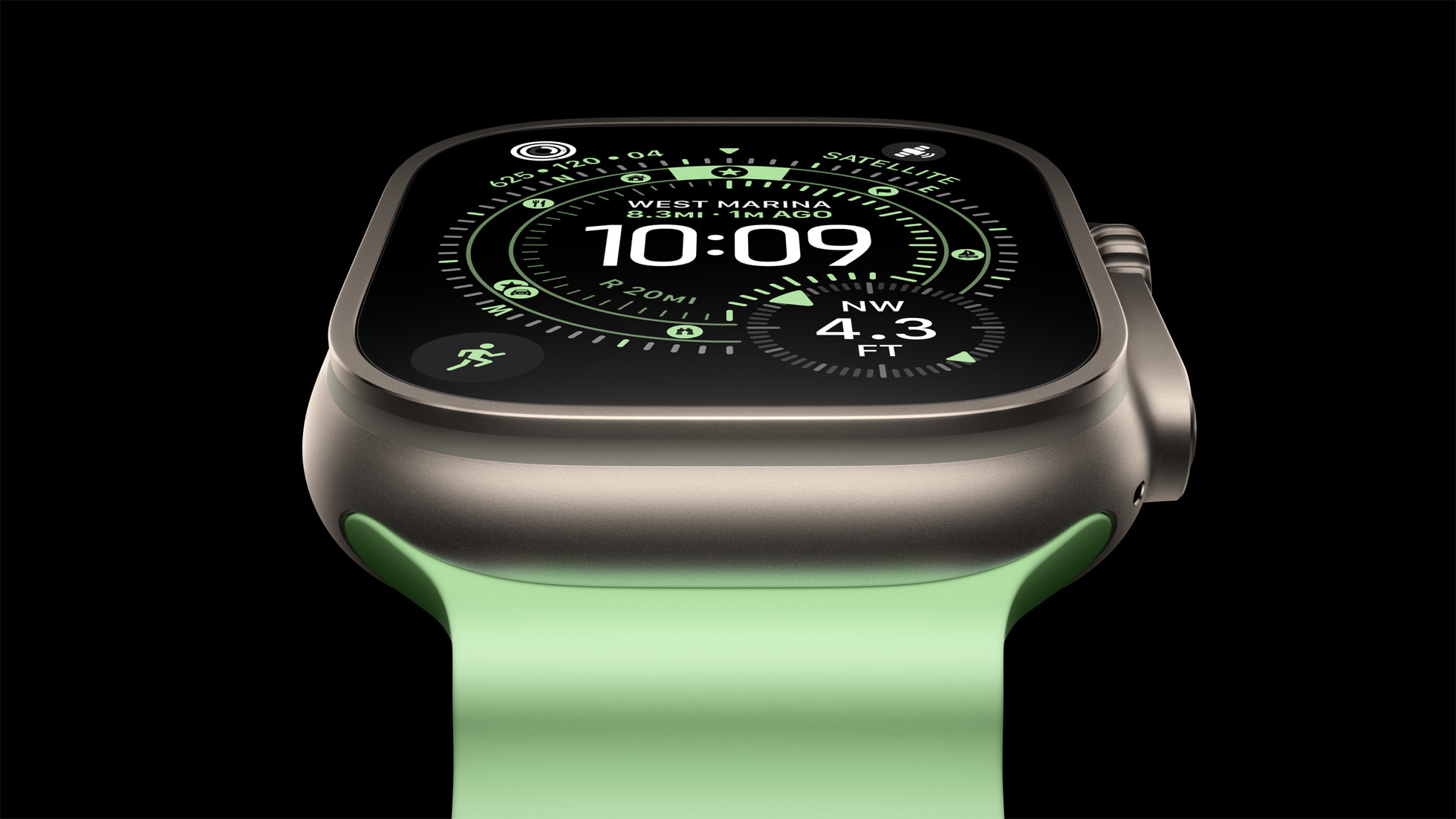
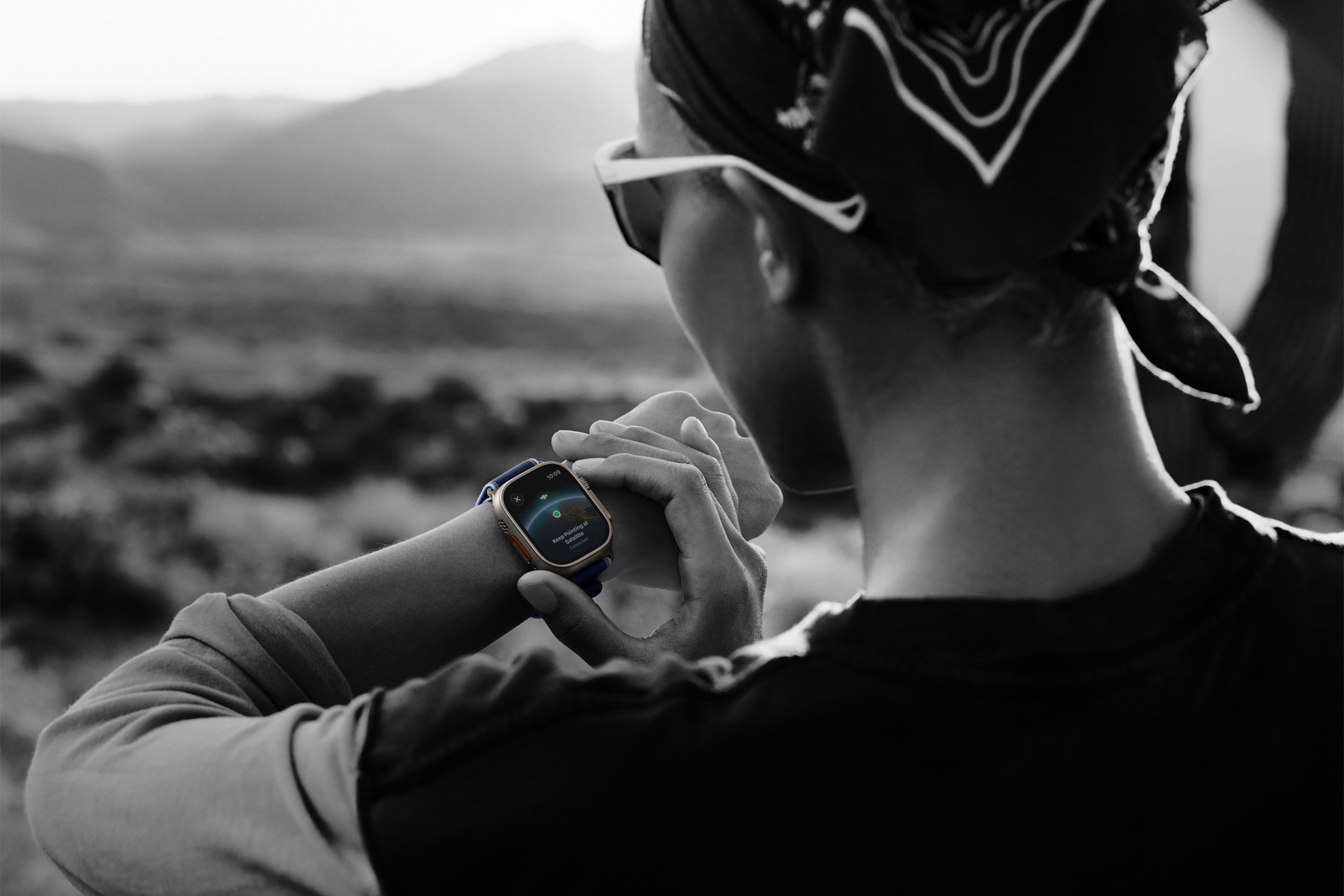
Built-in satellite connectivity represents the Ultra 3’s most compelling upgrade. Emergency SOS via satellite can contact emergency services when cellular and WiFi coverage is unavailable, potentially life-saving during backcountry adventures in areas like Garibaldi Provincial Park or the Sea-to-Sky corridor.
Messages via satellite allow texting family members when off-grid, requiring a cellular plan but working without traditional coverage. Find My via satellite shares location every 15 minutes, providing family peace of mind during solo adventures.
During testing on remote trails above the Capilano River, satellite messaging worked reliably, though message delivery took 2-5 minutes longer than cellular communication. The psychological benefit of knowing emergency communication remains available makes this feature valuable for serious outdoor enthusiasts.
Display and performance improvements
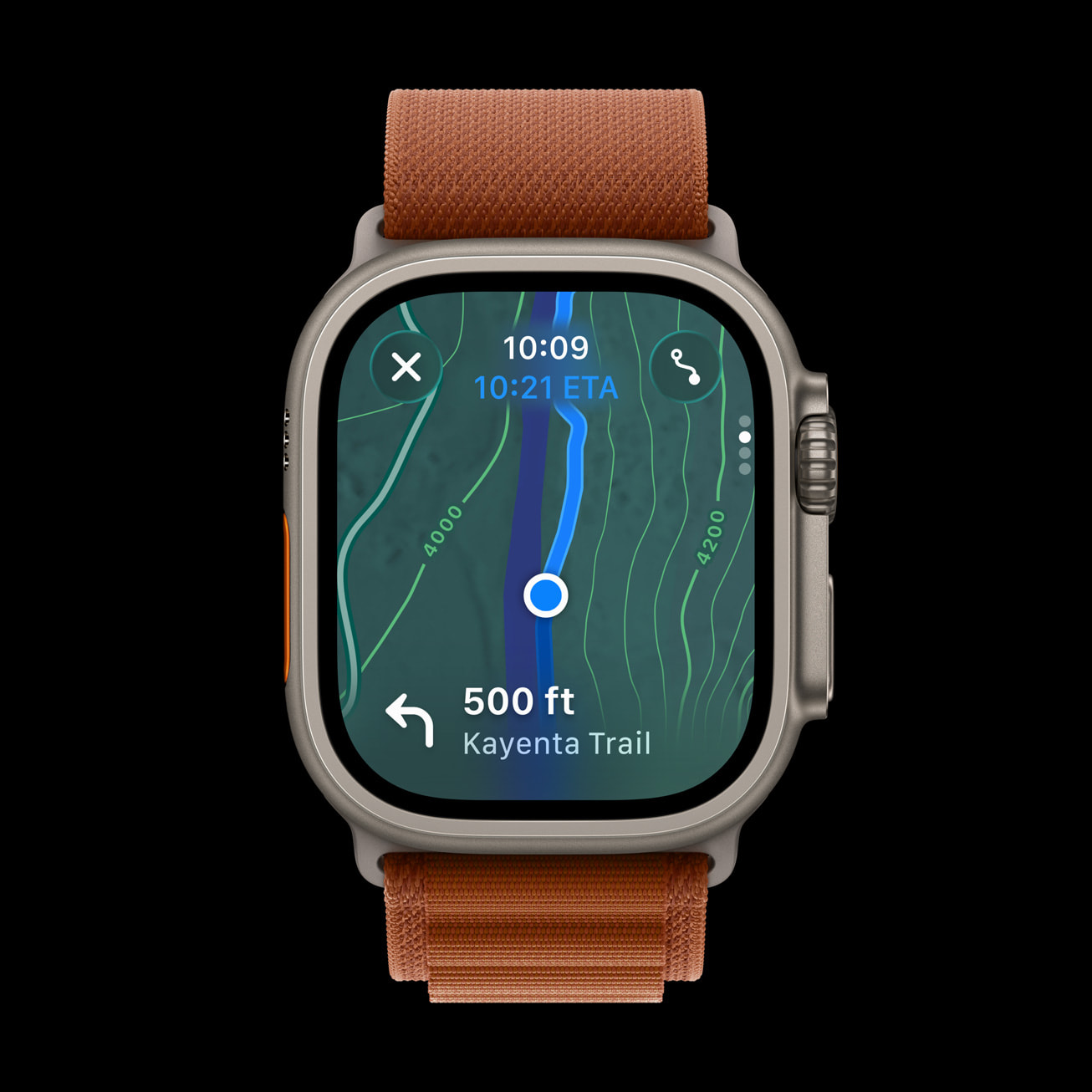
The Ultra 3 display grows 5% larger (1,245 vs 1,185 square millimetres) with 24% thinner bezels, providing more screen real estate in the same 49mm case. LTPO3 wide-angle OLED technology improves off-angle viewing, noticeable when checking navigation during trail running.
1Hz always-on refresh rate shows ticking seconds without raising your wrist, popular among timing-focused activities. Twenty watch faces now support the enhanced refresh rate, adding subtle animation improvements.
Battery life and charging improvements
Battery life increases from 36 to 42 hours (17% improvement), potentially extending multi-day adventures without charging. Low Power Mode still provides 72 hours on both models, maintaining the same extended capability.
Fast charging improves significantly: 0-80% now completes in 45 minutes versus approximately 60 minutes for Ultra 2. Quick charging provides 12 hours of use from 15 minutes of charging, valuable for rapid top-ups during busy schedules.
During weekend camping trips to areas like Joffre Lakes, the additional six hours of standard battery life proved genuinely useful, reducing charging anxiety during extended outdoor activities.
Design and durability comparison
Physical dimensions remain identical (49mm x 44mm x 12mm) with the same weight (61.6-61.8g). Titanium construction now uses 100% recycled materials, though build quality and feel remain indistinguishable from Ultra 2.
Water resistance maintains 100-meter rating with identical diving capabilities to 40 metres. MIL-STD 810H testing continues providing extreme durability for adventure sports and harsh conditions.
All existing Ultra 2 bands remain compatible, protecting investment in accessories. New Ultra 3 bands offer additional options but provide no exclusive functionality.
Health and fitness improvements
Most new health features come to Ultra 2 via watchOS 26 updates, eliminating exclusive health advantages for Ultra 3. Hypertension monitoring, Sleep Score, and Workout Buddy AI features work identically on both models.
GPS accuracy improvements claim “most accurate GPS in a sports watch” with enhanced dual-frequency positioning. During comparative testing on technical North Shore trails, route tracking showed marginally better accuracy in dense forest conditions, though differences were subtle.
Upgrade recommendation analysis
Definitely upgrade if you regularly adventure off-grid where satellite communication provides genuine safety value. The feature alone justifies the upgrade cost for serious backcountry enthusiasts who venture beyond cellular coverage.
Consider upgrading if the improved battery life addresses current limitations, display enhancements appeal to your usage patterns, or you can achieve a good Ultra 2 trade-in value.
Skip the upgrade if you’re satisfied with Ultra 2 performance, rarely venture beyond cellular coverage, or prefer waiting for more substantial Ultra 4 improvements. The Ultra 2 remains an excellent device that receives most new software features. Read a detailed comparison between Ultra 2 and Ultra 3 for technical specifications.
Canadian pricing for Ultra 3 remains $1,099, matching the Ultra 2’s original price. Trade-in values for Ultra 2 range from $400-600, making the net upgrade cost approximately $500-700, depending on condition and timing.

Real-World Family Integration
Living with multiple Apple Watches in our Vancouver household reveals practical benefits and challenges that specifications don’t capture. Family Activity sharing creates genuine motivation for weekend adventures, with competitive elements encouraging increased activity levels.
Location sharing through Find My provides valuable peace of mind during our daughter’s independent activities around the neighbourhood. Arrival notifications for school, dance classes, and friend visits eliminate constant check-in messages.
Emergency features offer crucial safety capabilities, particularly valuable given Vancouver’s outdoor lifestyle and active family schedule. Fall detection for adults and crash detection across all models provide comprehensive safety monitoring.
Setup complexity requires significant technical investment from parents, particularly initial cellular activation and ongoing management. The learning curve for comprehensive parental controls takes patience and experimentation.
Battery management becomes a family responsibility, with nightly charging routines and travel charging considerations. The Series 11’s improved battery life reduces daily charging anxiety compared to previous models.
Purchasing Recommendations
For most Canadian families, the Apple Watch Series 11 at $629 CAD (42mm GPS + Cellular) provides optimal value, combining flagship features with reasonable pricing. The 24-hour battery life and comprehensive health monitoring justify the cost over SE 3 for adult family members.
The SE 3 at $429 CAD (GPS + Cellular) remains ideal for children, offering essential smartwatch features with robust parental controls. Ensure carrier compatibility before purchase, avoiding Rogers due to Family Setup limitations.
Ultra 3 owners should upgrade only if satellite communication addresses specific needs, as incremental improvements don’t justify the full price for most users. Ultra 2 owners could wait for more substantial changes or significant discounts.
Consider family cellular plan costs when budgeting, with monthly fees adding $10-15 per watch across Canadian carriers. Setup fees and activation requirements vary significantly between providers.
Apple’s 2025 watch lineup finally delivers meaningful family-friendly improvements, particularly in battery life, health monitoring, and safety features. The choice between models depends on individual family needs, budget considerations, and carrier compatibility, but each model offers genuine value for its intended audience. The future of family connectivity looks more promising than ever, provided you choose the right combination of features and services for your specific circumstances.
For the latest pricing and availability, visit Apple Canada’s official watch page or check with local Canadian retailers.



 Socialdad.ca
Leave a comment